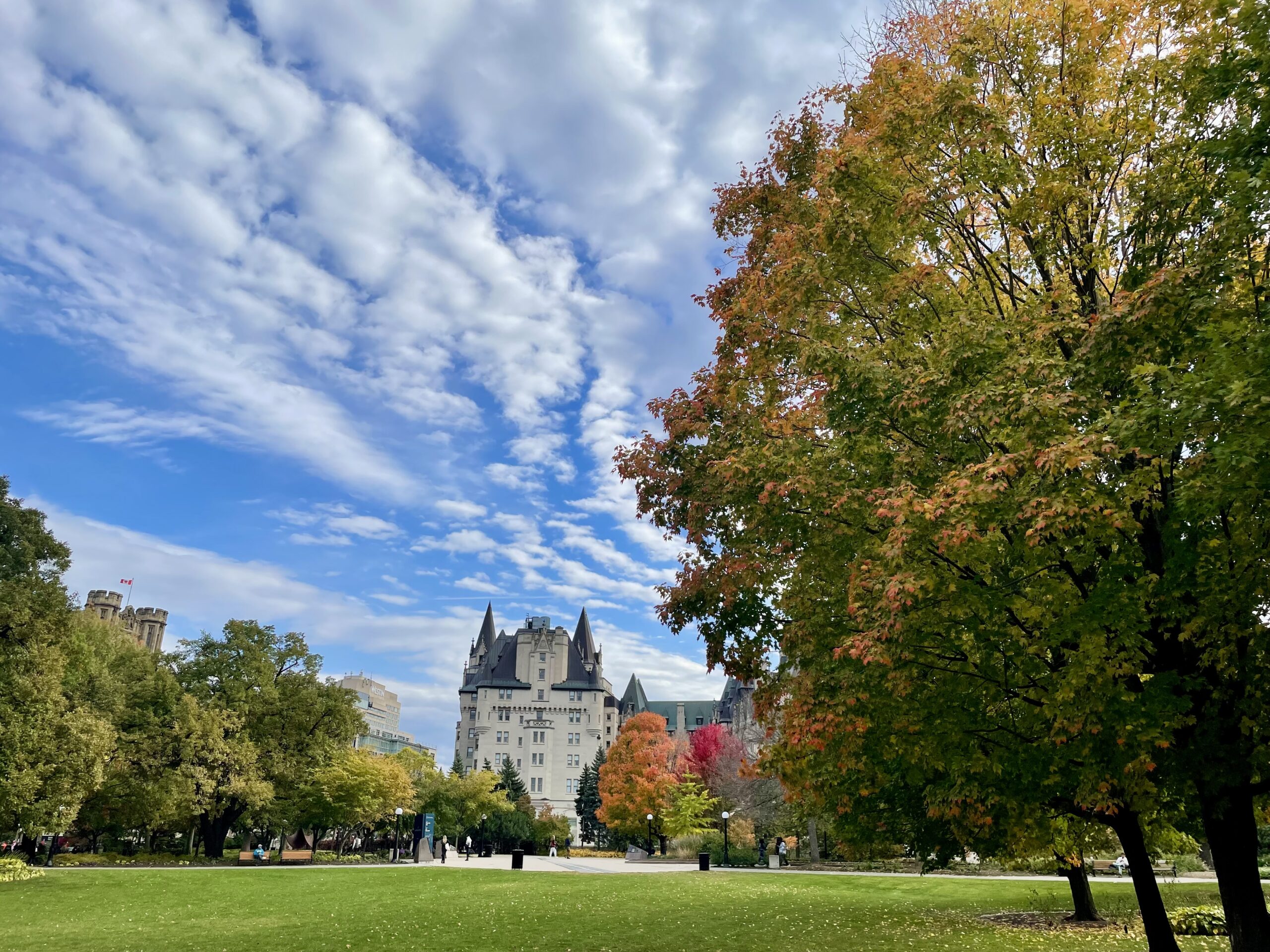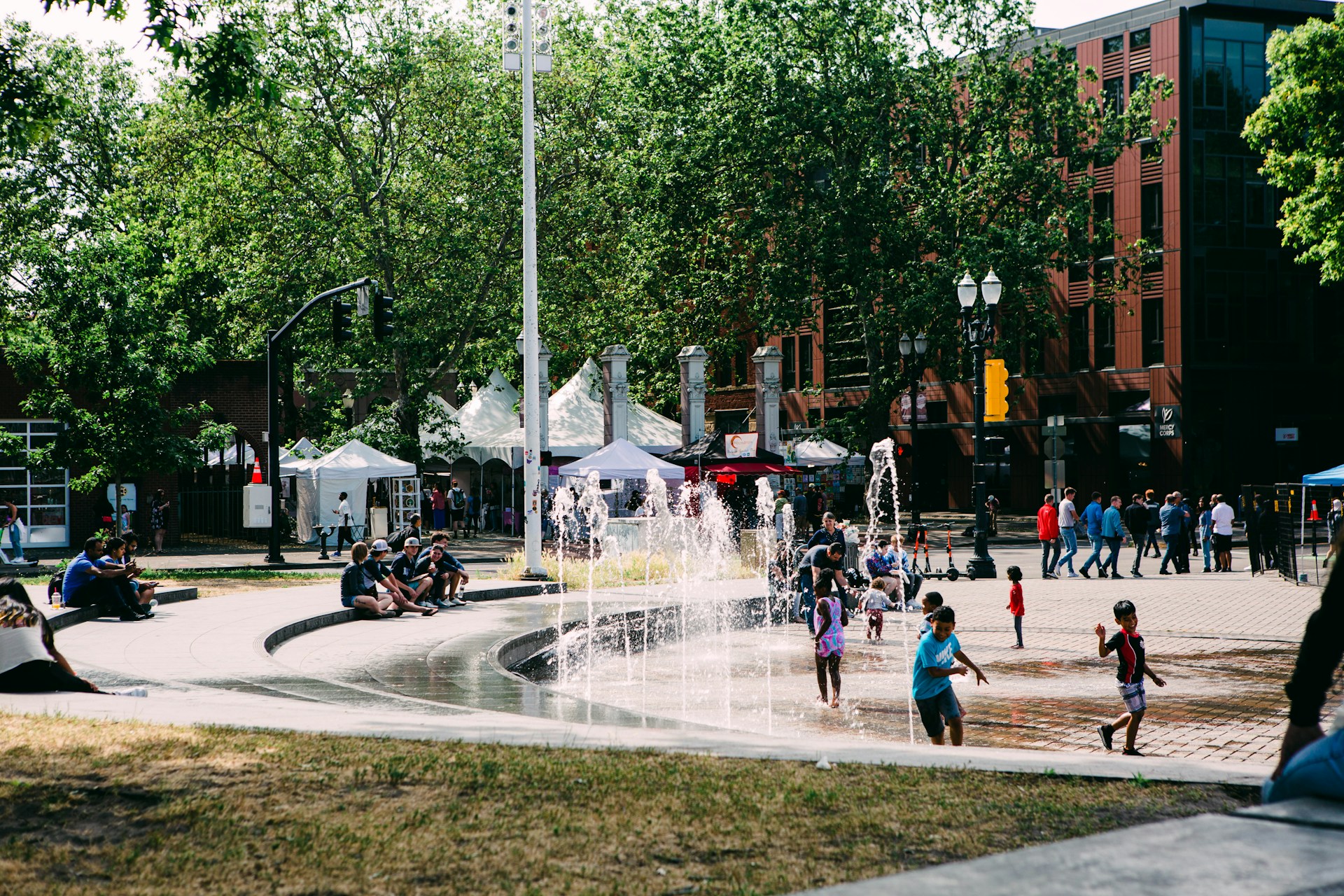
The pedestrian experience within an outdoor environment is largely influenced by the local microclimate. In an urban environment, the introduction of new developments can greatly influence local wind patterns, introduce shadowing, reduce access to direct sunlight, and alter the perceived local temperature. As cities continue to evolve into a future that is influenced by climate change and the warming of urban environments, municipal planners increasingly consider these implications on the local microclimate when reviewing new developments and in the design of spaces such as public parks and outdoor restaurant areas.
As part of our microclimate expertise in pedestrian comfort, our team offers outdoor thermal comfort (OTC) studies targeted within and surrounding your project. Thermal comfort is described as an individual’s perceived temperature and is influenced by local winds, direct sunlight, and the urban heat island (UHI) effect, a phenomenon whereby urban areas experience higher temperatures as compared to natural areas. Using computational methods and simulation techniques including computational fluid dynamics (CFD) and mean radiant temperature (MRT) simulations, our OTC study combines the effects of local sun paths and wind patterns around your project and surrounding context with incident radiation exposure, cooling effects from water sources and green spaces, and meteorological data from local weather stations to assess pedestrian thermal comfort.
Designing pedestrian areas for thermal comfort is a multi-variable process that depends on the subject environment, season, and pedestrian programming. Thermal comfort within pedestrian areas serving a development in a humid environment may benefit from slightly windier conditions during the summer, while similar wind speeds may reduce thermal comfort during the winter. Likewise, implementing green spaces within an urban environment is often advantageous to reduce the UHI effect; however, the implementation of tree and shrub plantings and green spaces may prove less effective if the vegetation within these areas does not receive sufficient sunlight. Through our extensive experience in microclimate analyses, our team of experts will provide in-depth analysis of thermal comfort conditions and effective mitigation solutions and testing to support your project.